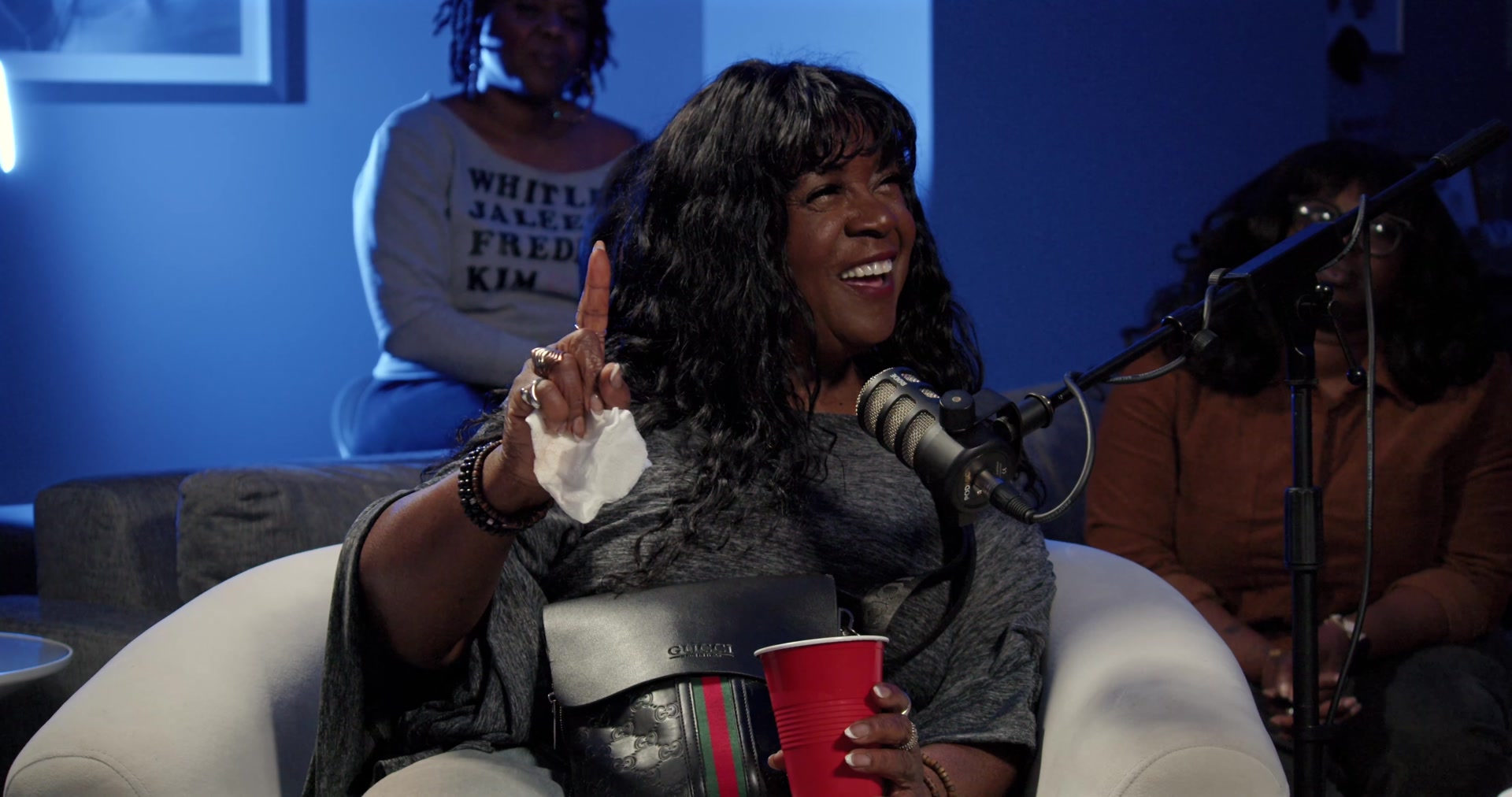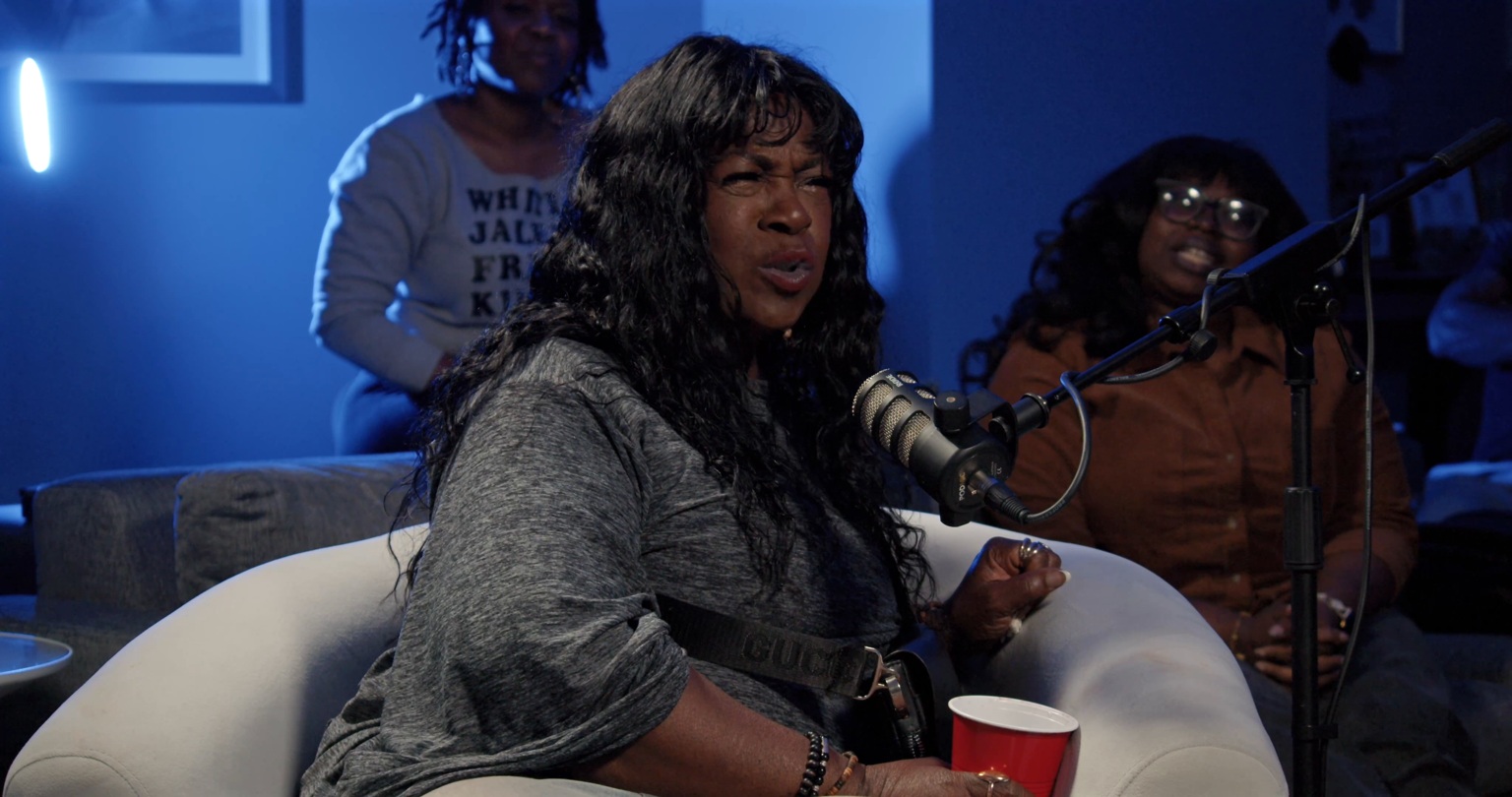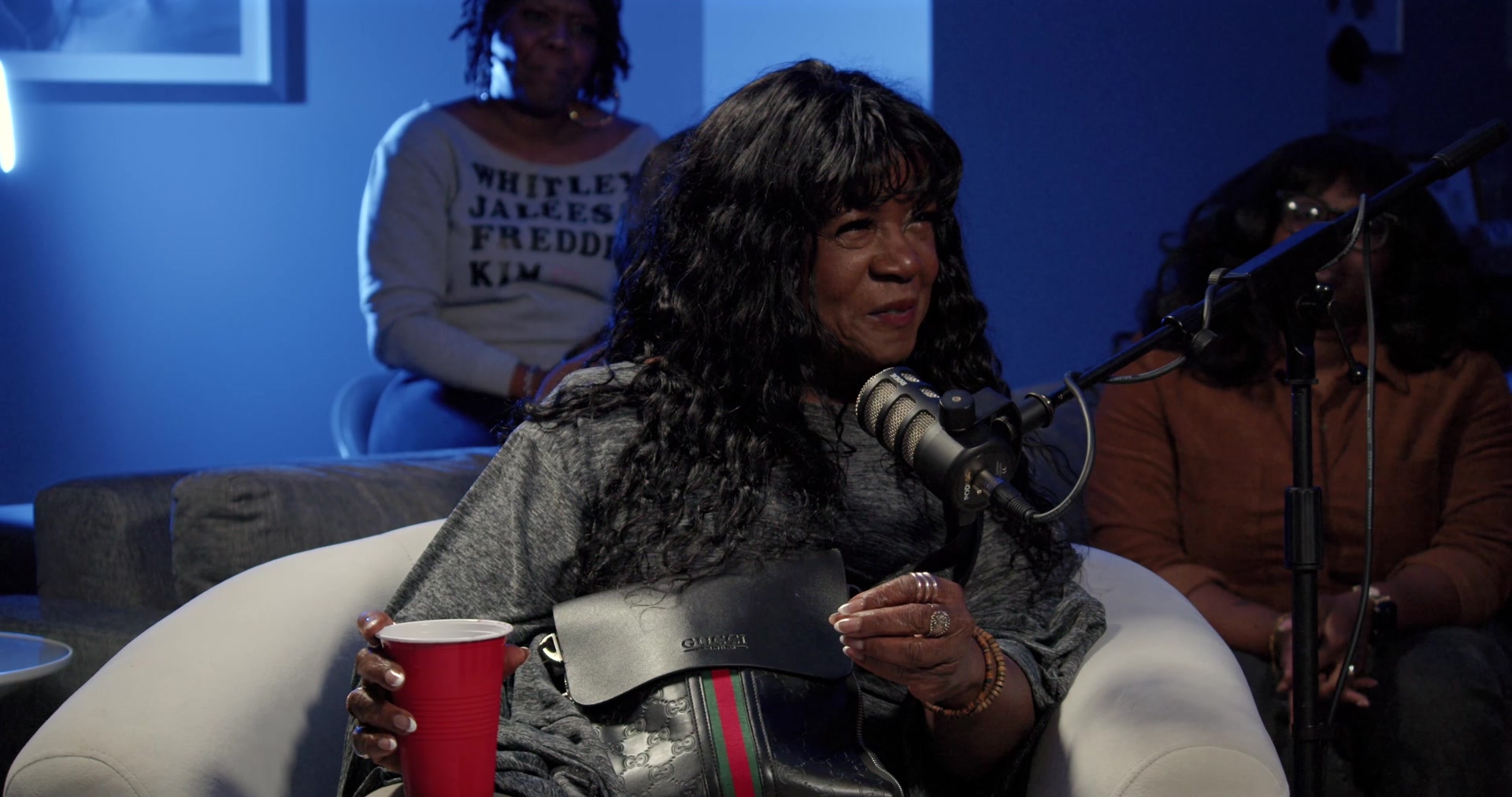
Before Charnele Brown became Kimberly Reese on A Different World, she remembers being told something that had nothing to do with her ability to act. The problem, as it was put to her, was her complexion.
“They told me my skin color wasn’t in that season,” Brown said during our conversation on Live From The Black House.
She did not name the people who said it. But the language stayed with her: a person’s skin, treated like something that could move in and out of fashion. Brown had a reply. “Well, let me know when I’m in.”
“Well, let me know when I’m in.”
Charnele Brown, recalling her response
She already knew what she was worth
Brown was working in theater at the time. Television was not the only future she could imagine for herself; she recalled preparing for a tour in Africa. Then a different possibility appeared. “A week later, Different World came up,” she said.
Brown remembers the television opportunity arriving about a week after the remark. She went into an audition surrounded by actors she admired, with a theater career and another possible adventure already ahead of her. The people deciding whether to cast her were not the only people who could imagine a future for her.
Later in our conversation, Brown described the foundation she brought with her long before viewers knew her name. Her parents, she said, raised her to feel beautiful. “My parents taught me how beautiful my skin is and still is.”
There is something powerful about hearing those two memories together. One voice tries to make her beauty conditional. Another has already taught her that it belongs to her. When Brown tells the story, that early sense of worth remains intact.
Kim meant something beyond the script
On A Different World, Brown played the poised, ambitious Kim Reese. During the interview, an audience member asked about what her character meant to darker-skinned women. Brown said she had come to understand the significance of that representation, and that she was honored by it.
Kim was a Black woman with intelligence, plans, friendships, and a future. Her presence offered viewers a person to follow, not simply a complexion to evaluate. The response Brown describes reminds us that an actor cannot always know, while doing the work, which part of a character someone at home most needs to see.
Brown also recalled meeting a young fan who singled her out by skin tone. Her response was to remind the child’s mother that Black people come in many shades. Fame had given her a recognizable face; it had not made the conversation about color disappear.
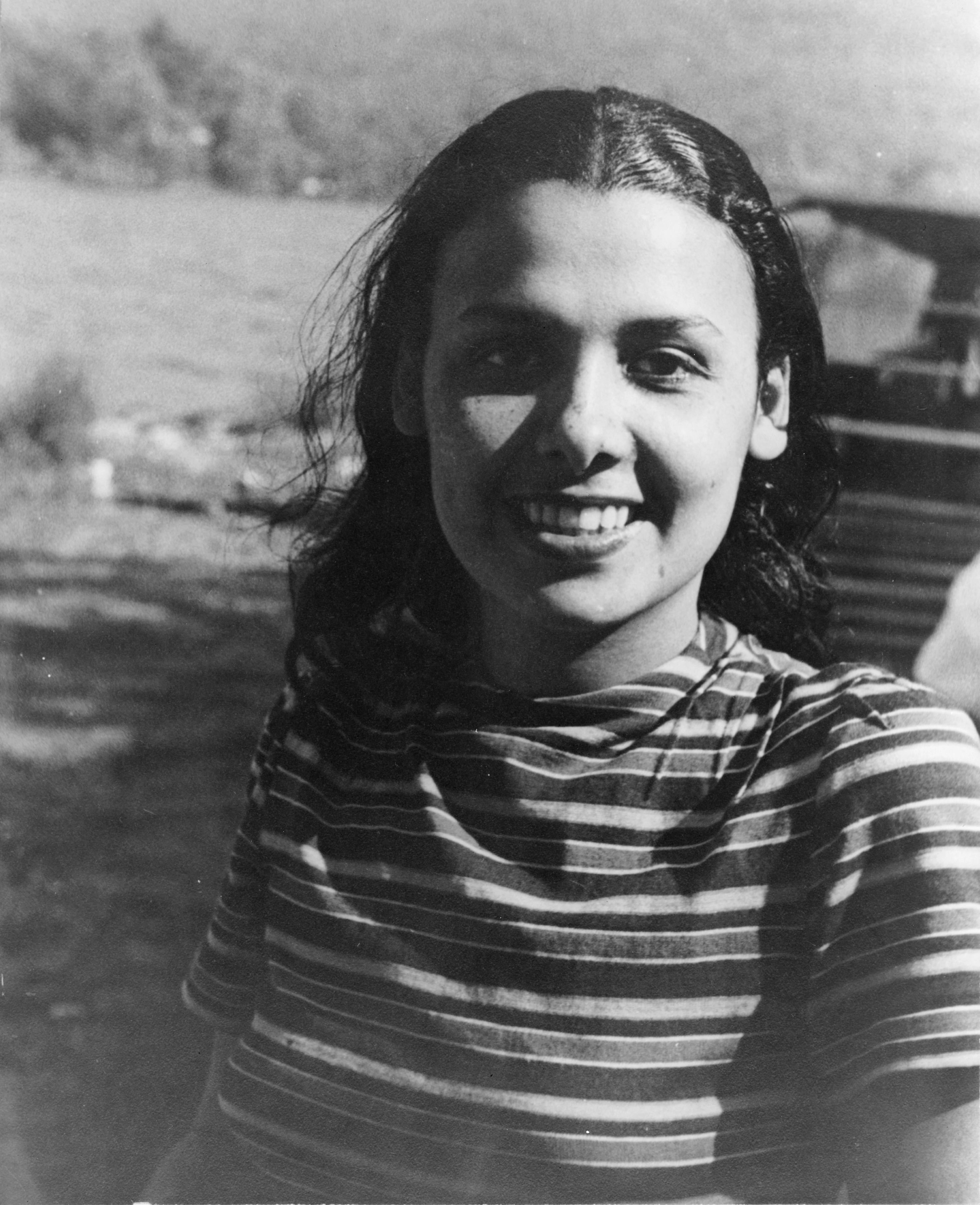
The message she kept from Lena Horne
A different memory brought Brown back to a very different kind of encounter. Asked about a favorite guest on the show, she named Lena Horne. Brown remembered being so overwhelmed by Horne’s presence that she could barely speak.
The counsel she remembers from Horne was simple: “Don’t let anybody dim your light.” Coming from Horne, Brown said, that encouragement meant everything. It was a message from someone she admired deeply, offered directly to her.
It is a fitting counterpoint to the earlier rejection. The person who told Brown her skin was out of season remains unnamed in her telling. The person who encouraged her to keep shining is someone she can still describe with awe.
That contrast stayed with me. People can offer judgments that are small enough to fit into a sentence and heavy enough to follow us for years. Brown’s story also makes room for the people whose words help us put that weight down.
Her skin did not need a new season. The opportunity needed someone capable of seeing her.
About this story & sources
Based on Durrell K. Douglas’s recorded conversation with Charnele Brown. Key passages: 4:07–4:34, 9:46–10:37, 13:31–14:02, 20:17–21:38, and 32:17–33:24. Personal accounts and remembered dialogue are attributed to Brown.
Interview photographs are original stills from Live From The Black House. Archival images carry their individual credits and license links beside the photographs.